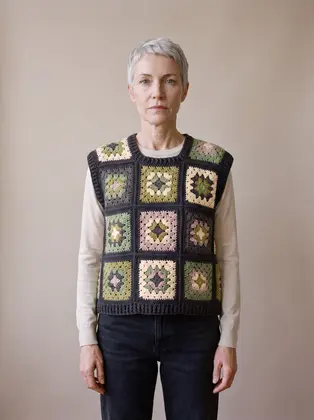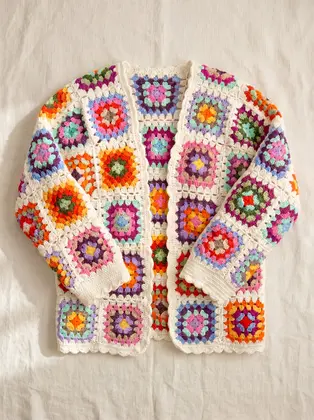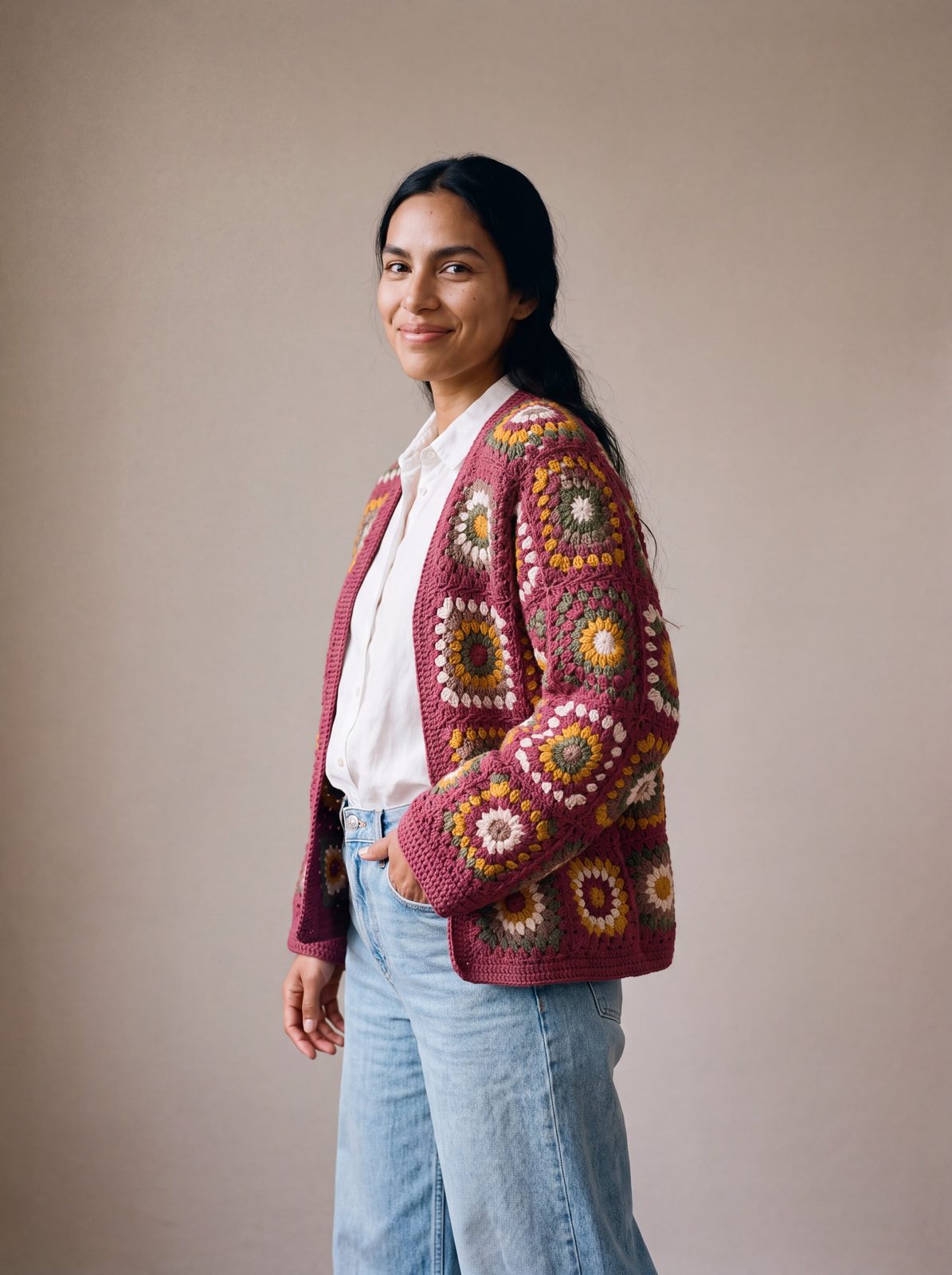
Statement knitwear earns its place when it feels like you, not merely like a striking photograph. A vivid cardigan, sculptural sleeve, or all-over pattern can change the mood of familiar clothes in seconds; it can also be the piece that stays on the hanger if its color, scale, or proportions fight the rest of your wardrobe. Before buying, pause over three practical questions: what will it work with, how will it sit on your body, and does its care and construction suit the way you actually dress?
These are not rules for toning down personality. They are ways to make a memorable knit easier to wear. Think about the garment in real outfits, not in isolation, and let the answers guide you toward the kind of statement you will reach for again.
1. What will I wear it with?
Start with the clothes already in your closet. A statement knit does not need a complicated supporting cast. In fact, it often looks most intentional beside simple shapes and solid colors: straight-leg denim, a clean skirt, an uncomplicated dress, or a plain tee. The useful question is not whether you can invent one outfit for the knit, but whether you can name two or three combinations you would genuinely wear in your ordinary week.
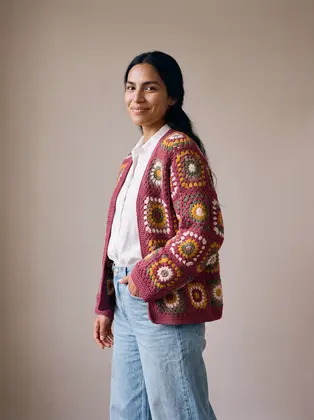
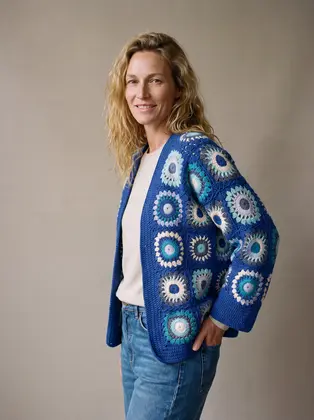
Look at the colors in the design. A cardigan with several bright shades may be more versatile than it first appears if one color echoes a pair of trousers or a bag you own. A dark ground can make a multicolor motif feel anchored; a light ground can read fresher and more prominent. For example, the Mosaic Cardigan in Burgundy and Mustard has a warm, earthy palette that can sit comfortably beside cream, denim, brown, or a quieter olive. The Cobalt and Aqua Mosaic Cardigan takes a cooler route: let its blues lead, then keep the rest of the outfit uncomplicated.
Pattern scale matters just as much as color. A grid of distinct motifs creates a clear visual rhythm, while a more continuous texture can feel calmer from a distance and more interesting up close. If your closet is already full of prints, consider whether the knit's pattern complements them or competes with them. Mixing patterns can be lively, but it is easier when they share a color or differ noticeably in scale. If that sounds like more effort than you want, pair the knit with a single-color base and let it do its job.
Also consider when you will wear it. A dramatic layer that works over a tee at a casual dinner may not suit every workplace or travel day. Picture the actual setting, the temperature, and what you will carry. An open cardigan can be easy to take on and off; a longer one may feel more coat-like and occupy more space. Browse the wider cardigan collection or the broader collections to compare silhouettes rather than assuming every statement knit will serve the same role.
2. Do the shape and proportions work for me?
Color gets attention, but fit determines whether a knit feels effortless. Decide what you want to layer underneath it: a fine tee, a blouse with sleeves, or a thicker sweater. That choice affects the ease you need through the shoulders, upper arms, and body. Compare the garment measurements and sizing information with a piece you already own and like, rather than relying on the size name alone. If measurements or fit details are unclear, ask the team before ordering.
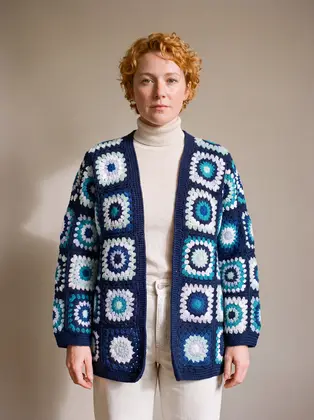
Length changes the balance of an outfit. A cardigan that falls around the hip can work naturally with jeans or a skirt; a longer line may cover more of the outfit and create a stronger vertical shape. Neither is universally better. Notice where the hem lands on you, especially in relation to the waistband and the fullest point of a skirt or trousers. The Long Cardigan in Navy and Turquoise is described as falling past the hips, so consider whether that generous length fits the way you like to layer.
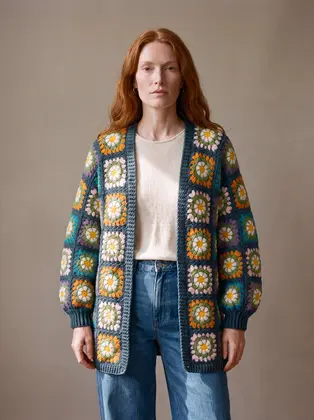
Sleeves deserve their own check. A fuller sleeve can be a defining feature, but it needs room to move and enough space beneath a coat if you plan to wear it as a layer. A ribbed cuff may help gather the sleeve at the wrist; a straight sleeve can feel more relaxed. Check the product photos from several angles and look for details in the description, rather than assuming a styled image shows the exact fit on every body. Think about reaching, sitting, and carrying a bag—not just standing still.
Give the garment a little space to be itself. A strongly patterned or textured knit can look balanced when the layers beneath are neat, but “neat” does not mean tight. Choose a base layer that lets the cardigan move without bunching and trousers or skirts that do not introduce a second competing volume unless that contrast is deliberate. For a more streamlined result, keep one part of the outfit closer to the body and let the knit provide the ease. If you want advice on sizing or a particular silhouette, use the contact page before deciding.
3. Does its care and construction fit my routine?
Statement pieces are most rewarding when you can look after them realistically. Before buying, read the product’s material information and care instructions. Do not infer fiber content from appearance, from a general description, or from the word “knit.” If the listing does not make a detail clear, confirm it with the team. The garment’s actual sewn-in label and confirmed product guidance should take precedence when it is time to clean it.
Texture and structure also affect how you will use a piece. A visibly open or dimensional knit may call for thoughtful handling around jewelry, rough surfaces, and bags with hardware. A long, open-front cardigan has a different feel from a compact layer with a defined edge. These observations are not claims about durability; they are practical prompts to consider how the garment will meet your daily routine. If you commute with a shoulder bag or often layer beneath a fitted coat, check whether that combination sounds comfortable.
Consider storage as well. A knit may be better folded than left on a hanger, depending on its weight and the product’s guidance; do not assume every garment can be stored the same way. Make room for it where it will not be crowded by sharp fasteners or snag-prone items. For cleaning, follow the garment label and any confirmed instructions exactly. Avoid improvised heat, bleach, or aggressive handling, and do not treat a general tip as a safe substitute for the item-specific label. The size and care guide can help you find relevant information, while the product listing remains the place to verify details for that specific piece.
Finally, ask how often you want to make the statement. Some people enjoy a standout layer as a frequent signature; others prefer to bring one out when a simple outfit needs a focal point. Either is a sound reason to buy, provided the role feels honest. A knit that works with your weather, your layering habits, and your available care routine is more likely to feel like part of your wardrobe instead of a special occasion costume.
Make the choice in the context of your closet
Try the three questions together rather than treating them as separate boxes. Imagine the outfit you will wear first, check the fit against the layers underneath, and make sure the care expectations feel manageable. If one answer is uncertain, look for a clearer product measurement, another view of the garment, or direct clarification before you commit. A bold knit should not require you to rebuild your whole wardrobe around it.
Let the detail you love remain the reason you choose it. The aim is not to make a distinctive piece “safe,” but to give it a real place in your life. When the colors connect to clothes you own, the silhouette feels comfortable, and the care information is clear, statement knitwear can turn familiar basics into outfits that feel considered without feeling overworked.