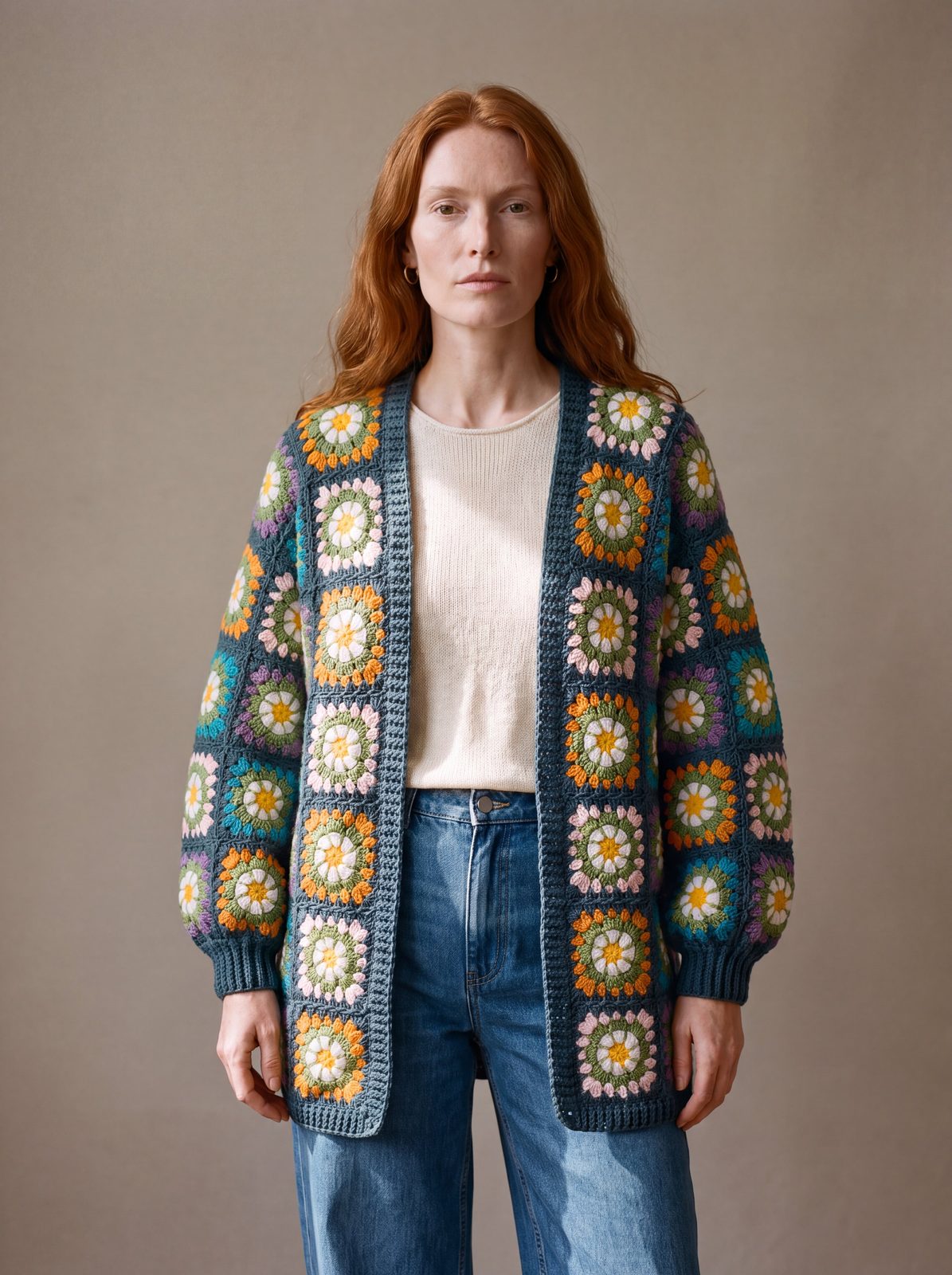
A knit can arrive at your destination looking much like it did when you packed it, but that result depends less on a clever folding trick than on controlling pressure and movement. Loosely structured stitches can flatten when a suitcase is overfilled; textured surfaces can catch on zippers, hardware, and rough fabrics. The goal is not to make every crease impossible. It is to give each piece enough support, keep friction low, and avoid the kind of compression that leaves a sweater looking tired before you wear it.
Start with the shape and structure of the knit
Before packing, consider what the garment is built like. A fine, smooth pullover folds differently from a chunky open-knit cardigan, and a piece with raised motifs or loose loops needs more protection from snags than a flat jersey knit. Identify the areas that naturally carry bulk: cuffs, collars, plackets, pockets, and any dimensional stitching. Those areas should not be forced into sharp bends or trapped beneath a heavy toiletry case.
Lay the garment on a clean, dry surface and smooth it gently with your hands. Do not pull the fabric taut to erase every ripple; stretching can distort the shape, especially at shoulders and ribbed edges. Close buttons or zippers only if the garment is designed to be worn that way, and make sure closures are not pressing into another layer. For an open cardigan, align the front edges rather than folding one side across the other in a tight bundle.
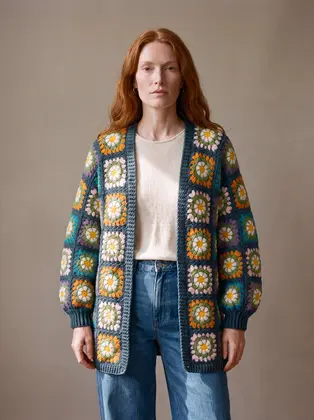
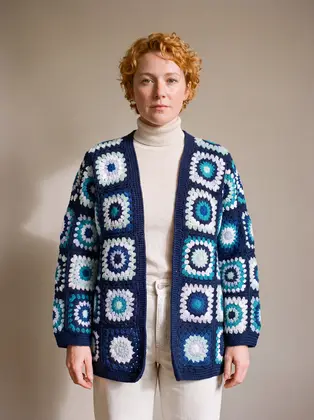
Think of a piece such as the Daisy Balloon Sleeve Long Cardigan in Teal: its long body and fuller sleeves call for broad folds, not a compact square. A shorter, flatter layer like the Mosaic Cardigan in Cobalt and Aqua can fit into a smaller section, but it still benefits from a smooth, supported fold. Product construction varies, so use the garment’s actual label and confirmed care guidance for fiber-specific decisions.
Use broad folds instead of tight, repeated creases
Sharp folds concentrate pressure along one narrow line. Broad folds distribute it across more fabric and are less likely to leave a pronounced crease. Lay the knit face down, arrange the sleeves naturally, and fold each sleeve inward with a soft bend rather than pressing it flat at the shoulder. Bring the sides toward the center only as far as needed to create a manageable width. Then fold the body in half or thirds, depending on the bag, keeping the edges rounded rather than pinched.
For a longer cardigan, fold the body upward from the hem in one or two generous sections, then place the sleeves alongside the body. Avoid repeatedly folding the same spot to make the piece fit a small packing cube. If the only way it fits is by forcing tight folds, it may be better to wear it in transit or choose a larger compartment. Knits are forgiving, but repeated hard compression works against that natural recovery.
A light, clean tissue layer can help separate textured surfaces and soften contact at fold lines. Place it between layers rather than wrapping so tightly that the bundle becomes rigid. Avoid newspaper or colored paper that could transfer ink, and do not add damp materials. The useful principle is a little cushioning, not a tightly bound parcel.
Separate knits from snagging and abrasive items
Friction is often the overlooked cause of travel wear. A knit rubbing against a rough denim seam, hook-and-loop closure, zipper teeth, or metal buckle can catch or fuzz the surface. Put delicate or open-textured knits in a clean fabric bag, or position them between smooth, soft garments. Keep shoes, belts, accessories, and toiletry containers in separate compartments. If you use a packing cube, check its interior seams and zipper edges before putting a loose knit inside.
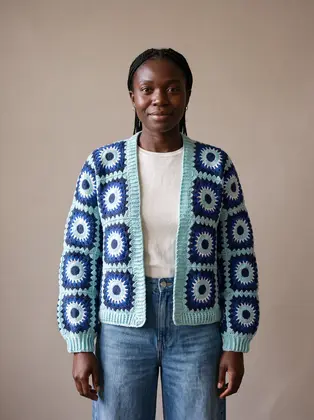
Do not place a sweater directly beside items with sharp corners, dangling clasps, or exposed fasteners. A simple barrier—a smooth cotton layer or a soft pouch—can reduce direct contact. Keep particularly bulky hardware away from the garment’s face, where a bump can leave a pressure mark. A structured knit such as the Ribbed Cuff Cardigan in Navy and Aqua may be robust in appearance, but its surface still deserves a snag-free space.
Use the space around a knit thoughtfully. Soft items such as tees or pajamas can fill gaps and limit shifting, provided they are clean and not so tightly packed that they squeeze the sweater. Do not wedge small objects into sleeves or pockets; concentrated pressure can distort those areas, and hard objects may rub from the inside. Keep liquids sealed separately and away from clothing, even when a bag has a waterproof lining.
Pack by weight, not just by category
The heaviest pieces belong near the bottom of a suitcase when it is upright or near the wheels when it is rolling. That placement helps reduce shifting, but it does not mean heavy objects should sit directly on top of knits. Build a soft layer over the heavier base, then place folded sweaters in a stable area where they will not slide into hard edges. Avoid stacking shoes or dense toiletry bags on top of a folded cardigan.
Leave a little breathing room rather than filling every gap with force. An overstuffed case presses folds together and increases rubbing as the bag moves. A modestly packed suitcase lets garments settle without being crushed. If you need to add a last-minute item, check whether it will create a hard pressure point rather than simply asking whether there is physical space.
For a garment with a longer silhouette, such as a long open cardigan, place it across the top of a packing stack if the case allows. A broad, gently folded layer can shield smaller pieces beneath it, while avoiding the sharp bends that may happen when it is squeezed into a narrow corner. When possible, choose the fold direction based on the suitcase’s dimensions, not a fixed rule about folding every item identically.
Choose rolling or folding with texture in mind
Rolling can work for smooth, lightweight knits when the roll is loose and even. It is less useful for bulky or highly textured garments, because a tight roll can compress raised stitches and place continuous tension on the edges. If you roll, start from the hem with the garment laid flat, guide the sleeves inward without twisting, and stop before the bundle feels dense. A loose roll belongs in a space where it cannot uncoil and rub against rough objects.
Folding is usually easier to control for substantial cardigans, pieces with sleeves that have defined shape, and openwork that might catch. Neither method is universally superior: the fabric, garment proportions, and available bag space matter. Try the method at home, then open the garment after a short period to see whether its texture recovers and whether the fold placement seems comfortable. Do not use this as a substitute for following care instructions.
Unpack promptly and let the knit rest
When you arrive, take the knit out rather than leaving it compressed until you need it. Give it a gentle shake, smooth it over your hands, and hang it only if its shape and weight make hanging appropriate. Some knits may stretch on a hanger; in that case, lay the piece flat on a clean surface or drape it over a broad support. Let gravity and time relax minor travel folds before deciding that a crease needs more intervention.
If a stubborn mark remains, check the garment’s label and the brand’s confirmed care information before applying steam, heat, water, or pressing. Fibers and constructions respond differently, and high heat or direct pressure can damage or distort a knit. Do not iron directly over raised stitches or embellishments unless the care instructions explicitly support a safe method. When in doubt, ask the team for guidance through Contact rather than guessing.
For more outfit options before a trip, browse the collections, including the cardigan collection. Review the site’s size and care information alongside the individual product details. A thoughtful packing routine is simple: broad folds, a smooth barrier, separation from hardware, and less pressure. That combination will not guarantee a wrinkle-free arrival, but it gives knitwear a better chance of keeping its shape, texture, and easy drape until you are ready to wear it.