Textured knitwear rewards a lighter touch. Raised stitches, open crochet and joined squares can snag, stretch or flatten when treated like a sturdy sweatshirt, but a few small habits keep favorite pieces looking considered between wears. The goal is not to wash a cardigan after every outing; it is to notice what it needs, clean it according to its actual label, and give its shape room to rest.
Start with the garment, not a universal rule
“Knitwear” describes a structure, not one fiber or one care instruction. A cotton blend, a wool piece and an openwork crochet layer may react differently to water, agitation, heat and drying. Before cleaning, check the sewn-in care label and any specific instructions supplied with the item. If the label is missing, unclear or conflicts with general advice, ask the RETROLIFE BOUTIQUE team before proceeding. Do not assume that a style name, appearance or product description tells you the complete fiber content or safe wash method.
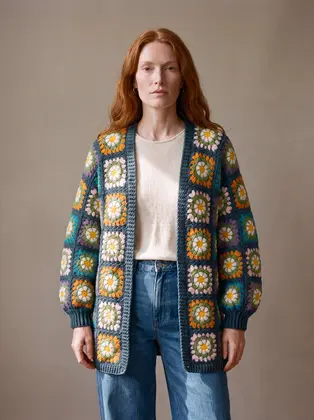
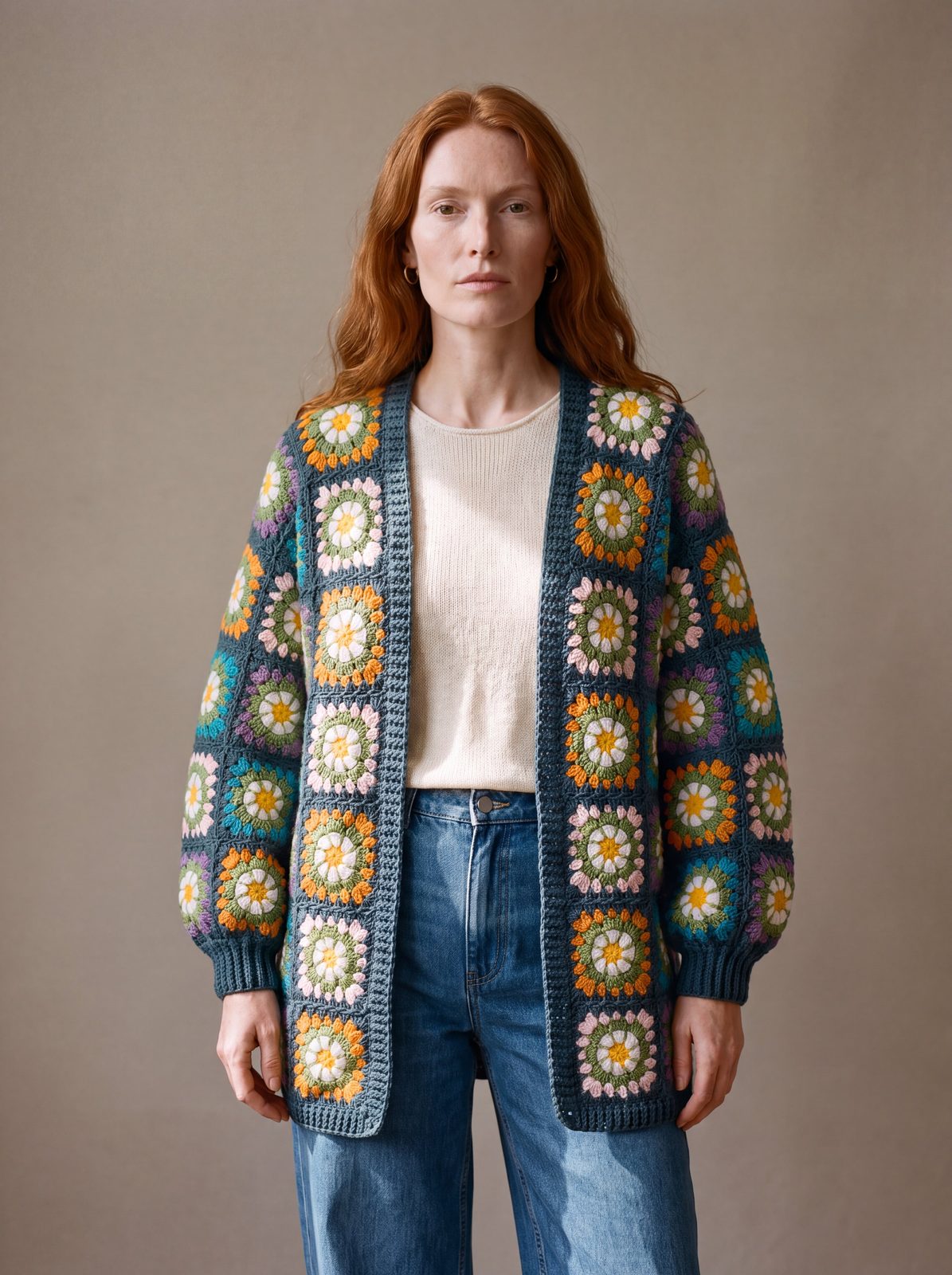
That distinction matters for pieces such as the Daisy Balloon Sleeve Long Cardigan – Teal, whose visible floral squares and gathered sleeves make its surface and shape part of the appeal. A plush or dimensional stitch can catch on jewelry, bag hardware and rough surfaces even when the garment is clean. Treat the item according to its own label, rather than borrowing instructions from a different sweater in your closet.
When in doubt, pause. Do not try an unverified stain remover, hot-water soak, machine cycle or drying shortcut on a garment you value. If a label says professional care, follow that direction. For product-specific questions, use the size and care information or contact the team through the contact page before cleaning.
Between wears: air, inspect and store well
After wearing, give a knit a little time to air before returning it to a crowded closet. Lay it over a clean, dry surface or hang it briefly only if the garment's weight and construction make that appropriate. Heavy or loosely structured pieces can lengthen under their own weight on a hanger, so folding is often the safer everyday choice. Keep textured surfaces away from zippers, hook-and-loop fasteners and rough bag straps while the garment is in use.
Look over cuffs, underarms, front edges and places where a crossbody strap rests. Remove loose surface lint gently by hand or with a tool suitable for that particular stitch; test cautiously in an inconspicuous spot first. Avoid dragging a sticky roller or rough brush across raised crochet, appliqué or loops. If a loop catches, do not pull it: pulling can enlarge the snag or distort nearby stitches. Ease the strand back toward the inside with care, or ask a repair professional when the construction is unfamiliar.
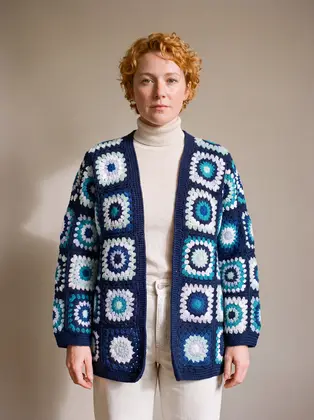
For day-to-day outfit planning, an open layer such as the Long Cardigan – Navy & Turquoise can go over a smooth tee or dress without needing constant adjustment. Smooth base layers and mindful bag placement reduce friction; they also make it easier to spot fresh lint or a small spill before it settles.
Clean only when needed, and keep the process gentle
Small marks do not automatically call for a full wash. First check the care label. If spot treatment is permitted, use a clean, white cloth and a minimal amount of an appropriate cleaning solution, testing a discreet area first. Blot rather than scrub, working carefully so you do not rough up the stitch or spread color. Do not combine cleaning products, and do not apply stain removers unless the label or a qualified care professional confirms they suit the garment.
When a wash is allowed, follow the stated temperature, method and detergent guidance exactly. Separate colors as directed, protect the item from unnecessary friction, and avoid twisting or wringing a wet knit. A mesh bag can limit tangling only when compatible with the garment's care instructions; it is not permission to machine-wash something labeled hand wash or dry clean. If hand washing is permitted, support the garment as you move it through water and rinse as instructed. Avoid long soaking unless the label explicitly calls for it.
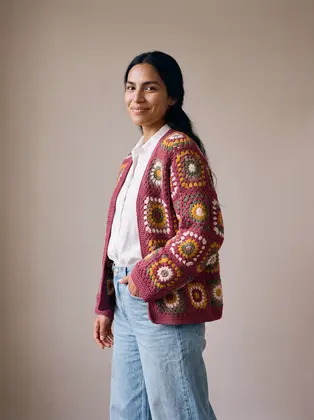
Textured, multicolored pieces deserve extra caution around color transfer. The burgundy and mustard squares on the Mosaic Cardigan – Burgundy & Mustard are a reminder to check for care directions rather than guess how contrasting yarns will behave. Do not assume that cold water, a particular detergent or a color-catching sheet guarantees against bleeding. If you are uncertain about a mixed-color piece, seek advice before washing instead of experimenting.
Drying is where shape is protected
Follow the label's drying instructions, and keep heat away unless it specifically allows it. Many knits benefit from being laid flat on a clean towel or drying surface, shaped gently to their natural outline; however, the garment's own directions take priority. Smooth the body and sleeves without stretching them, align seams and edges, and avoid pulling a neckline or cuff into a new shape. Turn the piece once if needed so it dries evenly, using a fresh dry surface if the one beneath it becomes damp.
Never hang a saturated, heavy knit by its shoulders simply because that is convenient. Wet fibers and open structures can sag, and clothespins can leave marks or distort edges. Keep the piece away from direct high heat and do not place it on a heater. Do not iron or steam textured stitches unless the label permits it; pressure and heat may flatten raised details or alter the fabric. If a wrinkle remains, check the care instructions and ask for guidance rather than improvising.
Wait until the garment is fully dry before folding it away. Dampness trapped in a drawer or closet can leave an unpleasant odor and may affect neighboring clothing. Good drying takes patience, but it prevents the rushed fixes—high heat, a stretched hanger, or aggressive pressing—that can change a knit's proportions.
Fold for the season and handle repairs early
Store knits clean and thoroughly dry in a cool, dry place. Fold rather than suspend pieces that feel weighty, have openwork, or show signs of shoulder stretching. Place heavier garments beneath lighter ones, and avoid pressing a sharp crease across bulky embellishment or dimensional stitches. Leave enough space that the fabric is not crushed. For long-term storage, use a clean breathable container and follow any fiber-specific advice on the label; never seal away a damp garment.
Before putting a piece away for a longer break, check seams, buttons, cuffs and edges. A loose thread or small opening is easier to address early than after repeated wear. Do not cut a protruding yarn end unless you know it is an unattached loose fiber; it may be part of the construction. A tailor or knitwear repair specialist can assess a pulled loop, a separated seam or a stretched edge without making the damage worse.
These habits suit statement layers as much as everyday basics: browse the cardigan collection for textured outer layers and the full collection for other wardrobe pieces. Care is not about keeping a knit untouched; it is about wearing it often while respecting the structure that gives it character. Check the label, reduce friction, let the garment rest and dry with support. When instructions are uncertain, ask before acting. That practical rhythm makes textured knitwear easier to reach for tomorrow, not just something saved for a special occasion.