The right bag is the one that fits the way you actually move through a day. If you are in and out of a car, carrying a laptop, or making frequent stops, a shoulder bag may be easiest to reach into. If your routine involves walking, transit, errands, or keeping both hands available, a crossbody often feels more secure and balanced. Neither shape is automatically better; the useful choice comes down to what you carry, how long you carry it, and what you wear around it.
Start with your hands, not the trend
Picture a typical weekday rather than an idealized outing. Do you hold a coffee, tote groceries, tap a transit card, or guide a child by the hand? A crossbody keeps the bag close while leaving your arms relatively free. That can be a practical advantage in crowded places and during quick errands. A shoulder bag is quicker to slip on and off, and reaching inside can feel more natural when you are seated or standing still.
Pay attention to the moments when you set a bag down. A shoulder strap can slide off when you bend or reach; a crossbody strap can catch against a coat or feel restrictive if you move between layers. Your own habits matter more than a universal rule. If you routinely carry a second bag, a shoulder style may layer more easily. If your day is mostly walking with one compact carryall, wearing the weight across your torso may feel steadier.
Think also about access and security. A crossbody worn with the bag positioned in front is easy to keep in view, but a long strap is not a guarantee against loss or theft. Keep valuables secured, be mindful in busy spaces, and choose closures that match how you use the bag. An open-top shoulder bag can be convenient for frequent access; it is less suited to a packed commute where contents may shift.
Choose a scale that suits your essentials
Before deciding on color or pattern, list what needs to come with you. Phone, wallet, keys, glasses and a small pouch fit a different routine from a book, water bottle, cardigan and daily planner. A bag that is too small turns every departure into rearranging; one that is too large invites unnecessary weight. Test your actual items together, and leave a little room for the unexpected without treating spare capacity as a reason to fill it.
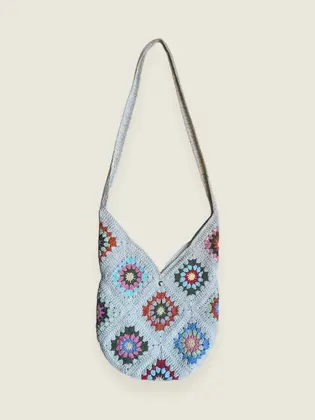
The Patchwork Crossbody Bag – Sky Blue is described as a roomy, soft hobo carried on a long strap, with space for everyday items such as a book, scarf, phone and keys. Its relaxed shape suits someone who wants more than a tiny essentials pouch while keeping the load close. Soft construction can be comfortable, but it may not keep papers or delicate objects as structured as a firm-sided bag. Use a separate sleeve for items that need protection.
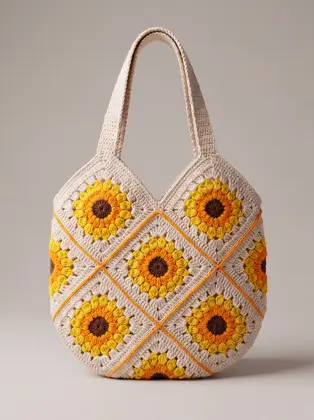
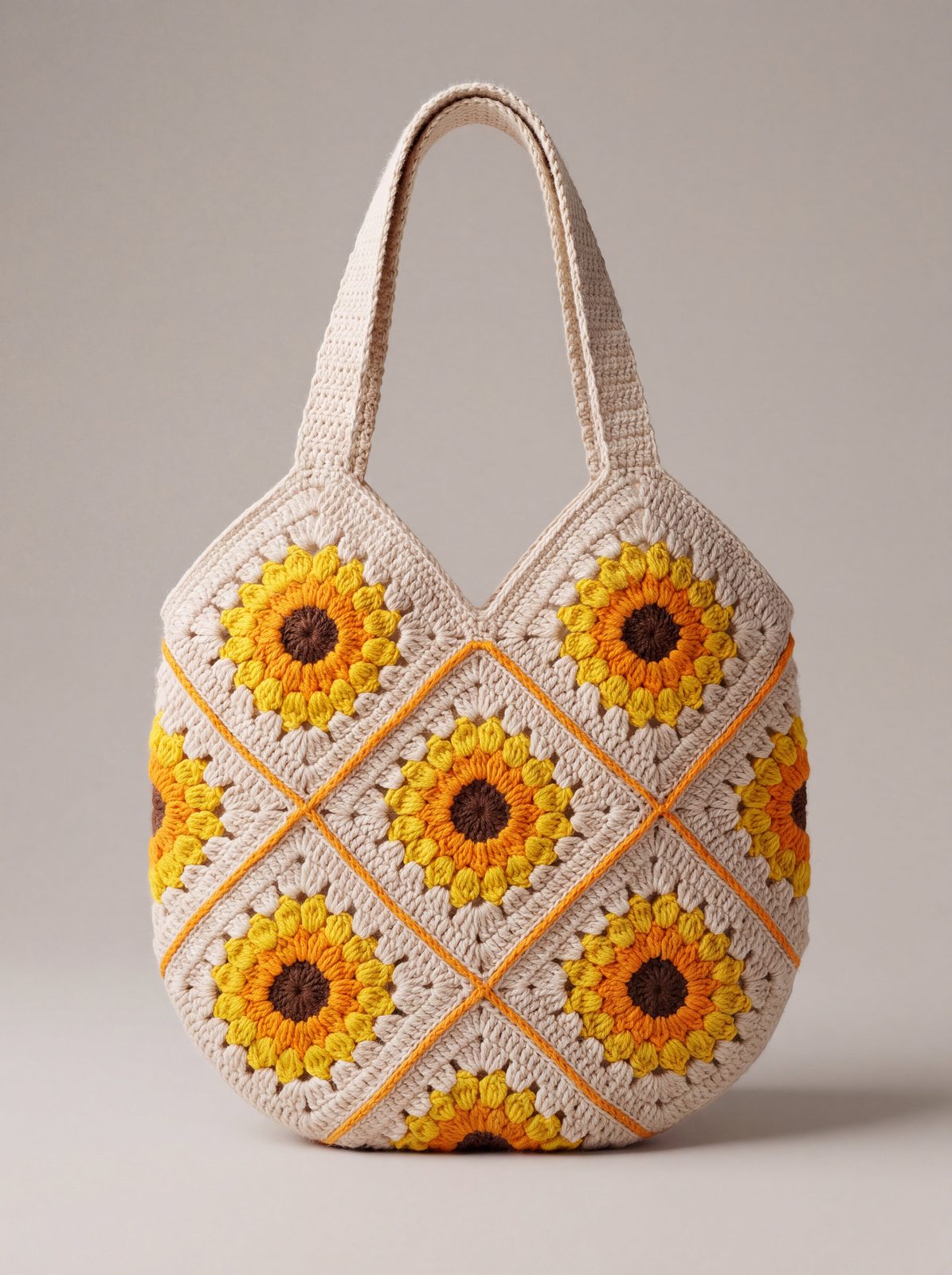
For a shoulder silhouette, the Sunflower Shoulder Bag – Cream has a wider, more defined profile: the listing gives dimensions of 30 cm wide, 28 cm tall and 12 cm deep, and describes a cotton lining and magnetic closure. Those details can help you compare it with your daily objects. Dimensions alone do not tell you whether a particular bottle or notebook will fit, so compare the listed measurements with items you use rather than relying on a styled photograph.
Make strap placement work with your clothes
Strap length changes the way a bag feels and looks. A crossbody should sit where you can reach it without pulling the strap tight across your chest or letting the bag swing into your hip with every step. If a strap is adjustable, try more than one position over the layers you actually wear. A placement that feels right over a tee may become uncomfortable over a thick coat.
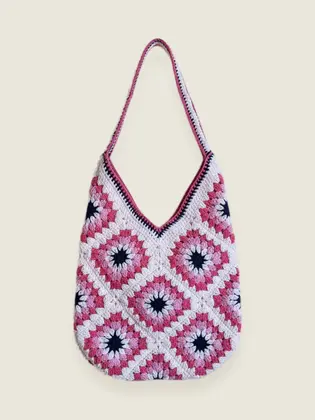
Shoulder bags have a different relationship with clothing: their straps share space with sleeves, collars and outerwear. A broad strap may feel stable over a smooth top, while bulky sleeves or a slippery fabric can change how it sits. The Rosette Shoulder Bag is described as a soft, slouching everyday shape with a single strap and an open top. Its navy outline and floral squares make it a visible accent; keep the rest of an outfit simple if you want the bag to lead, or echo one of its colors for a more deliberate combination.
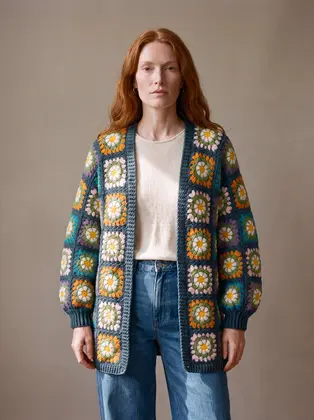
For a wardrobe that leans colorful, browse the bag collection for silhouettes and palettes that suit your regular outfits. If you prefer to plan a complete look, the tops collection offers an easy starting point: a patterned bag can enliven a plain top, while a quieter bag can balance a print. There is no need to match every color exactly. Repeating one shade, or setting a bright accessory against a neutral outfit, usually feels considered without looking overly coordinated.
Match the carry style to the day
For a commute or an errand-heavy day, choose a bag whose closure and placement make sense for frequent movement. A crossbody can be a sensible choice when you are walking between stops or want to keep your hands free. Check how the strap sits while you walk, whether the bag stays close when you bend, and whether the opening is manageable without putting everything down. Keep heavier items near the center of the bag rather than letting them pull at one side.
For lunch, browsing shops, or a day when you will be taking the bag on and off, a shoulder style can feel more effortless. It is also easy to pair with softer outfits and open layers. The Sunflower Shoulder Bag – Teal has a rounded, slouchy body on one strap and a bright sunflower pattern, according to its description. That relaxed shape makes a different statement from a compact, structured work bag, so consider the contents and formality of your plans before choosing it as an all-purpose option.
When your day changes from desk to dinner, think about what you can comfortably carry for the whole stretch. A bag that works only when nearly empty may not be the best choice for a long day. At the same time, if you carry a laptop or substantial work materials, confirm the dimensions and structure before assuming a casual shoulder or crossbody design is suitable. A bag's appearance cannot establish its capacity or protective features.
Keep comfort and care realistic
Comfort is partly about weight and partly about repetition. A strap that seems fine for a short walk may irritate the same spot after several hours, particularly if the bag is overloaded. Switch shoulders when practical, lighten the contents, and consider whether a crossbody or shoulder carry distributes the load better for your body. If a strap twists, slips, or presses uncomfortably, that is useful information rather than something you have to tolerate for the sake of a look.
Descriptions may identify a material blend or lining, but they do not replace the product's care instructions. Check the actual care label and confirm any uncertain handling guidance with the RETROLIFE BOUTIQUE team before cleaning. Avoid assuming a crocheted or lined bag can be machine washed, soaked, or spot-treated with a particular solution. For everyday upkeep, remove loose contents, keep the bag away from avoidable snags, and store it in a way that does not crush its shape.
Use the size and care guide for general guidance, and contact the team through contact if a product-specific material or care question remains unanswered. The goal is not to find one bag that performs every job. It is to choose a carry style that feels natural in your routine, holds the things you truly need, and complements clothes you already reach for.