A boutique collection is easiest to shop when you begin with an outfit, not a wish list. Pick one real occasion or routine—coffee and errands, a casual dinner, a warm-weather day—and decide what you want to wear from head to toe. Then look for the pieces that solve that plan. This keeps a distinctive print or color from becoming an orphan in your closet, and makes each purchase answer a useful question: what will I pair it with?
Write the outfit before browsing
ids=['mira-crochet-cardigan','long-cardigan-navy-turquoise','daisy-crochet-top']Start with the item you already own and reach for most often. It might be straight-leg denim, a simple black skirt, or a plain white tee. Think about the weather and the amount of movement your day requires, then sketch a two- or three-piece combination around that anchor. “Jeans, a light top, and a layer for the evening” is specific enough to guide a search without locking you into one exact look.
Now name the role a new piece should play. A patterned blouse can be the focal point; a cardigan can add color and coverage; a simple top can make a printed skirt easier to wear. If you cannot describe what it replaces or completes, pause before adding it to your cart. A clear plan is not a rule against fun. It is a way to make sure the fun piece gets worn.
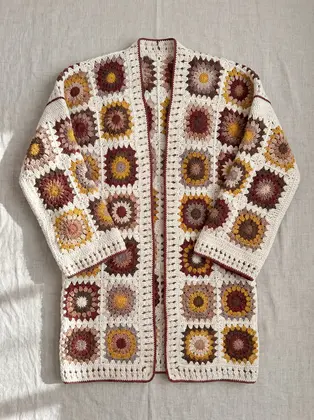
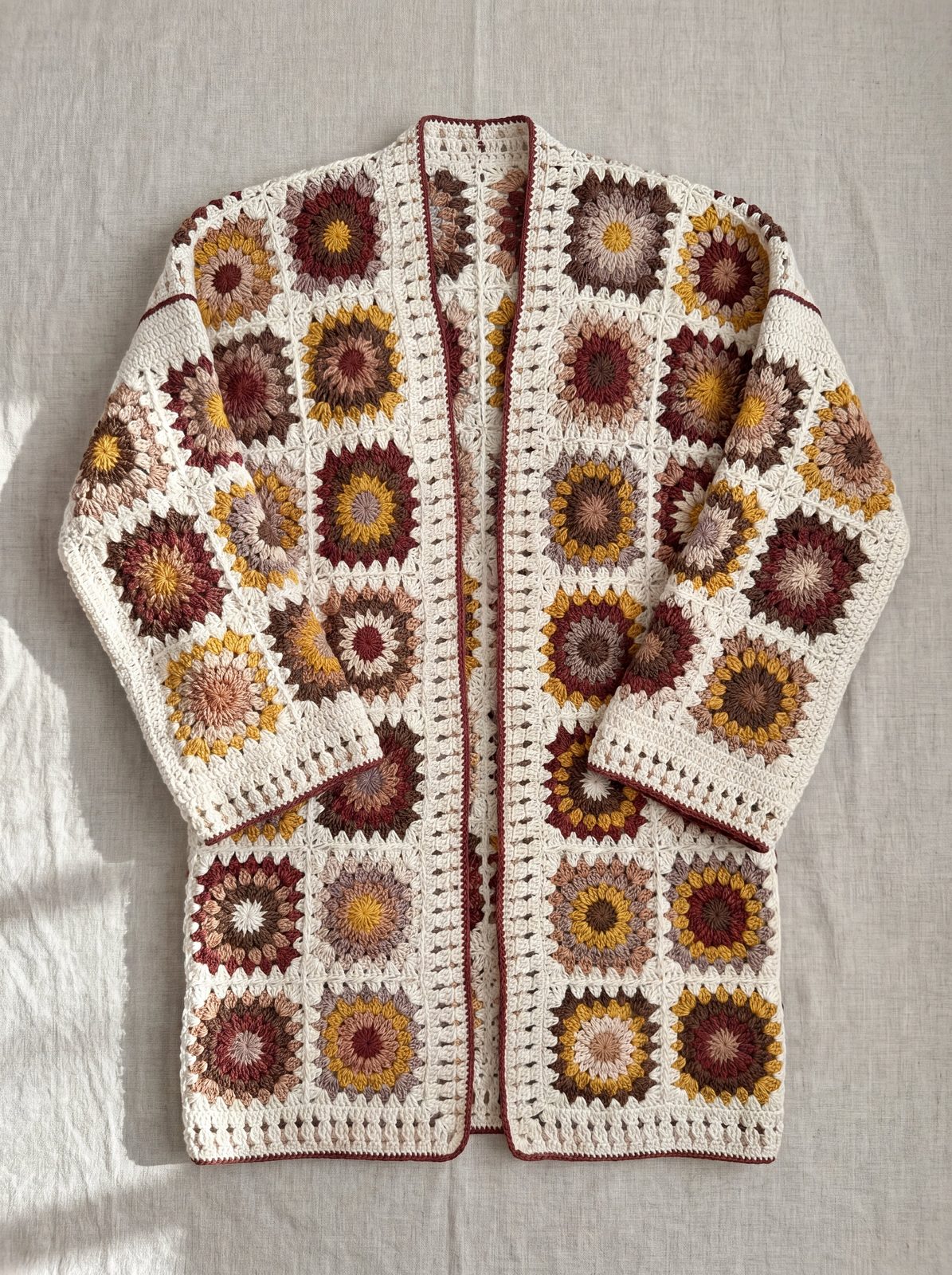
For a low-effort focal layer, the Harvest Sun Long Cardigan has a long open silhouette and warm rust, ochre, mustard, and ivory squares. Try it over a dark tee and familiar jeans: the outfit already has a quiet base, so the cardigan can provide the color and pattern. If your closet leans lighter, choose a cream or white base instead and let the red edging connect the pieces.
Choose one focal point, then edit around it
Many boutique garments bring their own visual character through pattern, color, texture, or shape. Give that feature room. Pair a striking top with uncomplicated bottoms, or wear a patterned skirt with a plain tee. When two pieces both demand attention, the result can feel busy even if each one is appealing on its own.
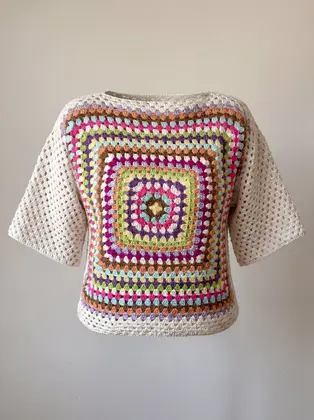
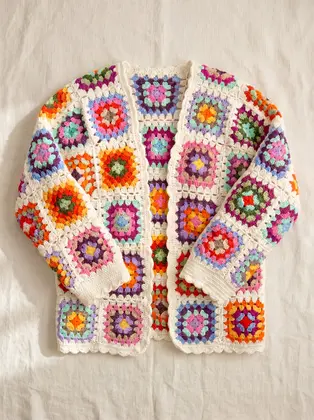
The Patchwork Blouse offers a useful example: its multicolor center panel is framed by cream crochet, and the boxy shape can sit loosely or be partly tucked into jeans. Treat the panel as the outfit’s color source. Pick one shade already present in it for shoes or a small accessory, rather than introducing several unrelated colors. A neutral bottom keeps the look grounded without making it feel severe.
Color matching need not be exact. Cream, denim, black, and other familiar neutrals give vivid pieces a place to land. If the focal garment is already quiet—such as a tonal knit—you can let the silhouette, a contrasting shoe, or a second texture do more. The goal is not to make every outfit restrained; it is to decide where the eye should go first.
Use the tops collection to compare shapes and palettes, and browse the cardigan collection when your plan calls for a layer. Shopping within a useful category can make comparison easier, but return to the outfit question before you choose. The most striking product photo is not automatically the most useful choice for your wardrobe.
Build a small set of combinations
Before buying, try to make the candidate work in at least two outfits using pieces you already own. This is a practical test, not a demand that every garment be endlessly versatile. A special occasion piece can earn its place with one strong plan; an everyday purchase should ideally have more than one route into rotation.
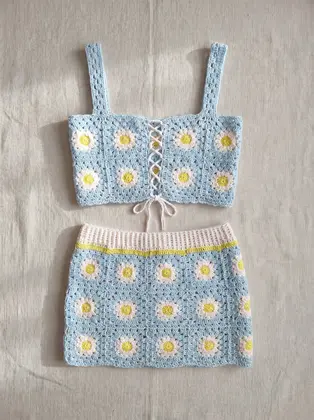
For example, the Daisy Skirt has a mini length, a cream ribbed waistband, and blue squares with white daisies. A plain white tee gives it a relaxed daytime pairing; a fitted neutral top can make the skirt feel more intentional for lunch or an informal gathering. Since the skirt already has a clear pattern and a short proportion, keep the rest of the outfit simple and choose shoes that suit the walking and setting you expect.
Think beyond color coordination. Consider whether the pieces work together in proportion, comfort, and temperature. A short top may feel better with a high-waisted bottom or a layer; a long cardigan may balance a slim base more naturally than a voluminous one. These are starting points, not universal rules. Look at the complete outfit in a mirror and notice whether you can sit, walk, and move without adjusting it constantly.
Make a quick wardrobe check before checkout: identify the actual bottom, shoes, and layer you would use, rather than imagining a future purchase to complete the look. If the outfit depends on buying two more items, price and plan those together. That simple step helps distinguish a workable ensemble from a chain of speculative additions.
Check cut, fit, and the product details
Product descriptions and images help you understand a garment’s intended shape, but they cannot answer every fit question for your body. Pay attention to the details that affect your plan: length, neckline, sleeve shape, closures or ties, and whether the item is designed to sit close, loose, or open. Compare the stated measurements with a garment you own when measurements are available, and consider where you want a hem or waistband to land.
A cropped cami, for instance, can be styled with a high-rise skirt or worn as a layer over another piece, depending on coverage and personal preference. Do not assume an online photo guarantees the same amount of coverage or ease on every wearer. If sizing, fit, or construction details remain unclear, use the site’s contact page to ask the team before ordering rather than guessing.
Fabric content and care instructions matter just as much as appearance, especially for textured or openwork garments. Read the product information and check the garment’s own care label when it arrives. If a material blend, fit point, or care method is not stated clearly, confirm it with the team; do not infer a washing method from a photograph or from another item in the collection. The size and care guide is a sensible place to review available guidance.
Plan for the day you will wear it
A good outfit plan accounts for the practical details that change how a look feels. Will you be outside in the evening? Bring a layer. Will you spend the day walking? Choose shoes you can comfortably wear for that distance. Is the garment textured or delicate-looking? Think about bags, jewelry, and other items that may snag or press against it. These small decisions can matter more than adding another statement accessory.
Choose accessories after the clothes are settled. A simple bag and understated jewelry often make a patterned piece feel finished without competing with it. If the outfit feels flat, add one deliberate contrast—a belt, a different shoe texture, or a layer in a complementary shade—then stop and reassess. You do not need to fill every open space with styling details.
Finally, save a note or photo of combinations that work. It can be as simple as “printed skirt + white tee + flat sandals” or “long cardigan + dark top + straight jeans.” When the next boutique collection catches your eye, compare new pieces with those proven combinations. Shopping becomes less about collecting attractive objects and more about choosing the one garment that gives an outfit you genuinely want to wear a clear, useful finish.