A useful wholesale apparel inquiry does more than ask, “What does it cost?” It gives a retailer and a prospective supplier enough context to decide whether the assortment, timing, and working expectations fit. A concise, specific note is easier to answer than a broad request for a catalog, and it helps keep the conversation grounded in the products you may actually carry.
Introduce your store and the reason for reaching out
Start with your name, store name, location or sales region, and the kind of business you operate. A neighborhood boutique, an online shop, and a seasonal pop-up may all be good retail partners, but their buying needs differ. One sentence about your customer and point of view helps the recipient understand what you mean by “a good fit.” For example, explain that your shop focuses on colorful layering pieces for customers who like distinctive knitwear, rather than simply saying you want “unique fashion.”
Include a working website or social profile if you have one, plus a direct business email and phone number if useful. If you are opening soon and do not yet have a public storefront, say so plainly and give an anticipated opening window. Avoid padding the introduction with claims that do not help the buying conversation. The aim is not a polished pitch deck in miniature; it is enough credible context for a useful first reply.
Name the products and assortment you have in mind
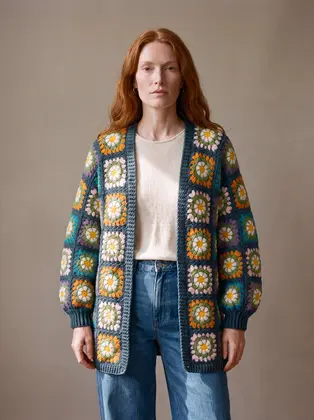
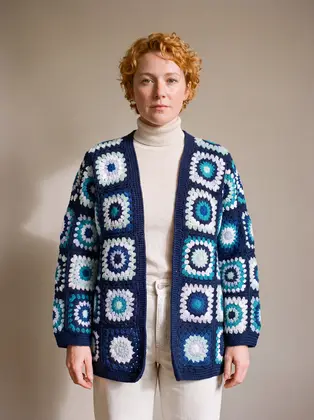
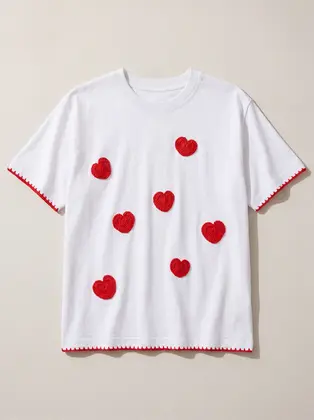
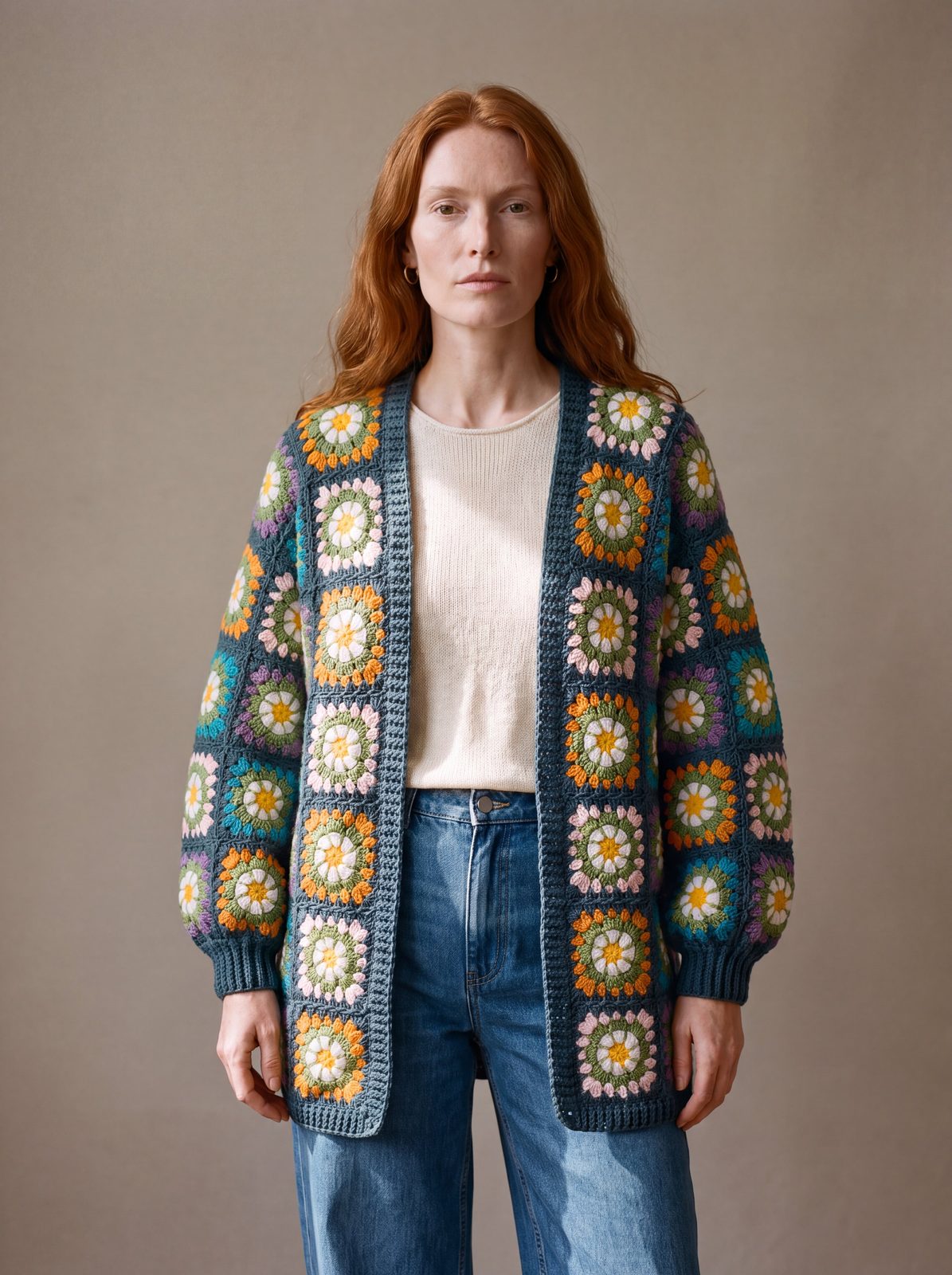
Be precise about the category, style, and breadth you want to discuss. “Cardigans” is a start, but the request becomes more actionable when you say whether you are considering statement layers, lighter open-front knits, everyday tops, or a mix. Pointing to actual examples helps prevent crossed wires: a buyer drawn to the color-blocked Daisy Balloon Sleeve Long Cardigan in Teal may be imagining a very different display from someone interested in a quieter palette like the Long Cardigan in Navy and Turquoise. A simple top, such as the Amour T-Shirt, can also clarify whether you are building a complete outfit assortment or asking about one product type.
Use product names or links rather than vague references to “the blue one.” If your request covers several styles, group them by category and identify first choices versus alternatives. Mention the approximate quantity you are exploring only if you have a real planning range; it is fine to say that you are still evaluating. Do not imply that a particular item, color, or size is available until the team confirms it. If you are unsure which styles best suit your customer, ask for suggestions within the category you have described.
You can browse the cardigan collection or the broader top collection to make your references more concrete. These links are useful starting points, not a substitute for confirming the exact products and current details in a reply.
Ask the commercial questions that affect your decision
Wholesale arrangements vary, so ask directly rather than assuming standard terms. Useful questions include whether the styles you named are available for wholesale discussion, what minimum order requirements apply, how pricing is shared, and whether there are requirements for mixing styles or sizes. Ask about payment methods and when payment is due. These are requests for confirmation, not terms to presume from a retail product page.
If you are comparing options, ask whether prices are quoted per piece and what currency they use. Clarify whether any shipping, taxes, duties, or other charges are separate, and which party is responsible for them. For an international inquiry, include the destination country so the team can respond in context. Do not build a margin calculation from retail pricing alone: wholesale pricing, freight, taxes, packaging, and your own operating costs may all affect the result.
Ask about order changes, cancellations, and what happens if an item is unavailable, but keep the questions focused on decisions you need to make now. A short numbered list can help when several issues matter. If a policy is not yet known, the appropriate answer is confirmation from the team, not a guess.
Give a realistic delivery window and destination
State where the order would need to ship and the date by which it would ideally arrive. A specific occasion—such as a planned seasonal floor change or a store opening—is more useful than “ASAP.” If your date is flexible, say so; if it is firm, explain the reason without suggesting that the supplier has already agreed to meet it.
Ask how estimated processing and transit timing are determined, whether the timing changes by destination, and when a delivery estimate can be confirmed. Do not treat a requested date as a promise. If the assortment is for a launch or event, leave room for receiving, checking, ticketing, and merchandising before the goods need to be on the floor. A realistic buffer is better than discovering that a shipment arriving on the final day is already too late for your plan.
Provide the destination city and postal code when appropriate, or offer them in a reply if you prefer not to include a full address in an initial note. The team needs enough information to discuss logistics, but your inquiry does not need sensitive payment details or unnecessary customer data.
Clarify fit, product information, and presentation
For apparel, the buying decision depends on how a piece fits into your assortment and how you will describe it to shoppers. Ask which size information is available, how sizing is presented, and whether measurements or fit notes can be shared for the styles under consideration. If you have a particular customer fit need, describe it without assuming that a style will meet it. Never translate a product photo into a measurement or promise customers a fit detail that has not been confirmed.
Similarly, request confirmation of fiber content, care directions, and other product details you need for accurate merchandising. The product’s own label and the team’s confirmed information should take precedence; do not infer fabric composition or washing instructions from appearance or from another item in the same category. The size and care information page may help with general questions, but confirm item-specific details before publishing them.
If visual assets or product copy are important to your launch, ask what may be available and what usage is permitted. Do not assume that images, descriptions, or brand materials can be reused in any format. Be clear about your intended channels, such as your own product pages, email, or social posts, and request the appropriate guidance.
Make the next step easy
Close with a clear request: a reply about the named styles, a conversation about terms, or guidance on what information the team needs next. Tell them how you prefer to be contacted and when you are generally reachable, without inventing urgency. If there is a decision deadline, state it plainly. A courteous close and complete signature make it easy for a representative to continue the discussion.
Before sending, check that links open to the correct items, your quantity or timing is not contradictory, and every question has a reason. A compact inquiry usually works best when it covers your store, intended assortment, essential commercial questions, delivery destination and timing, and the product details needed for a responsible buying decision. For a direct conversation, use the wholesale information page or contact page. The result is not a guaranteed order; it is a clear starting point for confirming whether the opportunity makes sense for both sides.