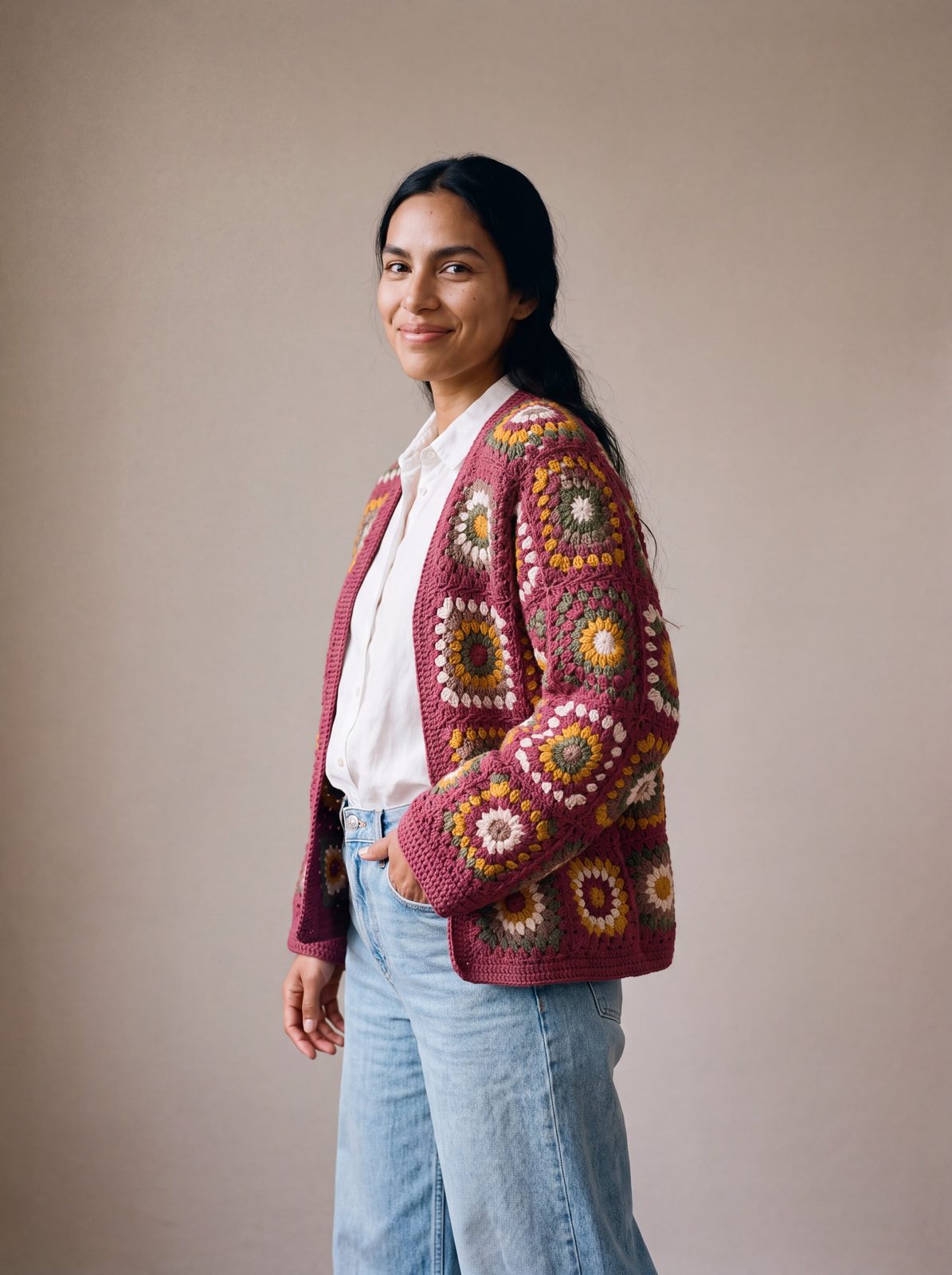
Textured knitwear can go to dinner without losing what makes it appealing: the dimensional stitch, the color, and the easy presence of a layer you actually want to wear. The trick is to give it a clear role. Let a striking cardigan or crochet top be the focus, then make the rest of the outfit quieter, sharper, or more fluid. That contrast makes the look feel considered rather than as if you simply carried daytime clothes into the evening.
Start with the setting, not a dress code you have invented for it. A neighborhood restaurant, a celebratory reservation, and a casual dinner at a friend's home call for different levels of polish. In each case, fit and finish matter more than adding formal pieces indiscriminately. A neat neckline, a deliberate hem, and shoes that suit the walk from the car can do more than a pile of jewelry. Knitwear is at its best when it feels comfortable and chosen, not disguised.
Choose one piece to lead
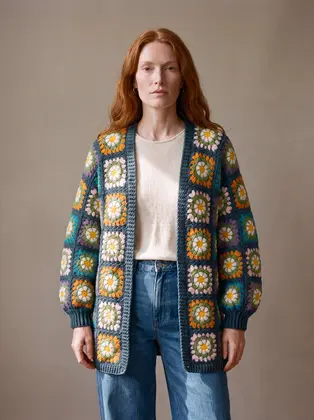
Texture already catches the eye, especially in a crochet or patchwork design. If the knit is colorful or patterned, treat it as the outfit's statement and keep nearby pieces uncomplicated. A black, cream, or deep navy base helps a multicolor cardigan look intentional; a single tone repeated in the shoes or bag can quietly connect the pieces. For a bold palette, avoid trying to match every shade. One echo is enough.
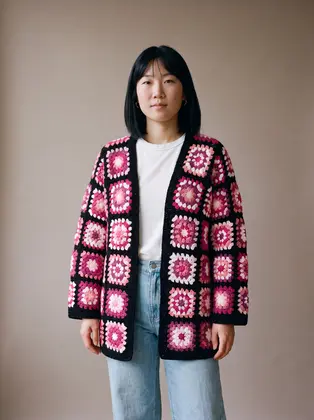
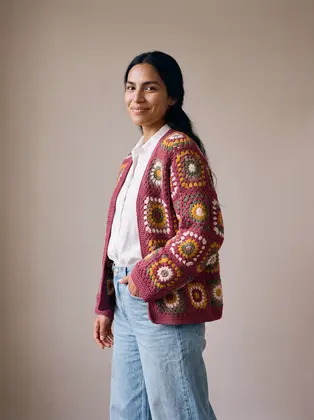
The Long Cardigan – Black & Pink has a dark ground that makes its pink details easy to frame. Wear it open over a simple black column, a slip-style dress, or a smooth top with tailored trousers. Keeping the underlayer close to the body prevents the open cardigan from competing with excess fabric. If you prefer a warmer palette, the Mosaic Cardigan – Burgundy & Mustard works well with cream, espresso, or dark denim; choose one of those steady neutrals rather than another print.
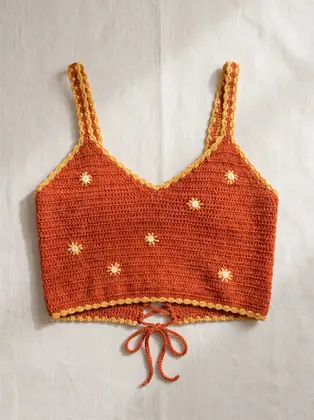
Not every dinner outfit needs a cardigan. A textured top can lead, with the cardigan left at home or carried for the trip. The Floria Cami Top – Rust brings color and a floral detail of its own, so pair it with a plain, structured bottom and restrained accessories. See more options in the cardigan collection or browse the tops collection when deciding which piece should take center stage.
Balance texture with a clean silhouette
Texture adds visual weight even when a garment is not physically heavy. Counter it with a clean line somewhere else: a straight trouser, a simple skirt, or a dress with an uncluttered shape. The point is not to make every outfit fitted. Rather, decide where volume belongs. If the cardigan is long and relaxed, a narrow base or a defined waist can keep the proportions from feeling accidental. If the knit is cropped, a higher-rise bottom can make the transition look deliberate.
Pay attention to the cardigan's hem in relation to the bottom. A hip-length layer can sit neatly over a skirt or trouser waistband, while a longer layer often looks most composed over a simple uninterrupted line. Try the complete outfit standing, sitting, and moving your arms. A hem that bunches at the waist or sleeves that swallow your hands may become more noticeable over a long meal. Small adjustments—pushing a cuff once, choosing a cleaner shoe, or swapping a bulky bag—can restore balance without changing the central idea.
For a more polished finish, consider a belt only if it sits comfortably over the knit and does not distort the shape. Many open crochet cardigans are meant to hang freely; forcing a belt through the outfit can interrupt the drape. Let the design guide you. If the opening frames your base layer well, leave it open. If a knit top is the focal point, tuck or half-tuck only when the fabric behaves smoothly and the waistband stays comfortable while seated.
Use the base layer to set the mood
The layer closest to the skin determines whether a textured piece reads relaxed, romantic, or tailored. A smooth camisole or fine-gauge top creates a quiet surface beneath open stitches. A crisp shirt gives a cardigan a slightly sharper edge, while a simple fitted tee can keep a colorful knit from feeling precious. Match the neckline thoughtfully: a wide cardigan opening can frame a scoop or square neck, whereas a high neckline may sit better under a more closed front.
For dinner, check the whole combination under the lighting you expect to encounter. A cream base can soften a high-contrast cardigan; black can make bright motifs feel more evening-oriented. If the knit is open-work, choose an underlayer that provides the coverage you want without distracting straps or seams. Comfort is part of polish, so make sure you can sit and move naturally rather than spending dinner adjusting the base.
Layering should also respond to temperature. Restaurants can feel warmer than the walk there, so avoid building an outfit that only works with every layer on. An open cardigan is easy to remove and drape over a chair; a fitted knit top can stand on its own. If bringing an outer layer, consider how its sleeves and shoulders sit over the knit rather than assuming every coat will layer smoothly. There is no need to claim a particular fabric or care behavior based on appearance: use the item's actual product details and label when checking composition or handling guidance.
Keep accessories edited, not absent
Accessories can turn a familiar knit into an evening outfit, but they should work with the texture rather than compete against it. A small earring, a clean belt, or a compact bag may be all that is needed. Choose jewelry according to the stitch and neckline: delicate pieces can disappear against raised motifs, while an overly large necklace may tangle visually with a busy collar. Earrings or a simple ring often provide a clearer finish.
Footwear is a useful way to set the formality. A sleek flat, a low heel, or a refined boot can bring intention without making a comfortable outfit feel overdone. Think about the restaurant and the route, then choose a shoe that supports both. A bag with a defined shape can add polish to soft layers, but it need not be formal or impractical. Keep the palette connected: one accessory that picks up a shade from the knit is more persuasive than a matched set in every color.
When the knit is vivid, let accessories provide breathing room. When the knit is mostly tonal, a sharper shoe or a more noticeable earring can supply the contrast. This is a matter of emphasis, not a rule about what counts as dressy. If you would rather keep the outfit understated, clean grooming, a lint check, and clothes that sit well are meaningful finishing choices in their own right.
Make the outfit comfortable for the whole evening
Dinner involves more than a mirror check. Sit down in the outfit before leaving: does the waistband press, does the cardigan pull across the shoulders, and do the sleeves stay out of the way? A knit that looks beautiful but requires constant correction will not feel like a good choice by the end of the meal. Consider bringing a small layer only if it serves a practical purpose, and avoid carrying more than you need just to preserve a planned look.
Before dressing, check the product's size information and compare the fit you want with the garment's listed measurements where available. A relaxed cardigan can be worn with ease, but oversized does not automatically mean more flattering or more comfortable. If you are unsure about sizing, details, or care, rely on the product page, the garment label, and confirmed team guidance. Knit structures can vary, so do not assume a universal washing or drying method. The size and care page is a useful place to start, with the item label taking precedence for the specific garment.
The best dinner styling is often a small edit: remove one competing print, smooth the base layer, choose a shoe with a cleaner line, or leave the knit open instead of adding another fastening. Textured knitwear already has character. Give it room, build the outfit around its shape, and let the finished look feel like you—comfortable enough to stay at the table and polished enough for the occasion.