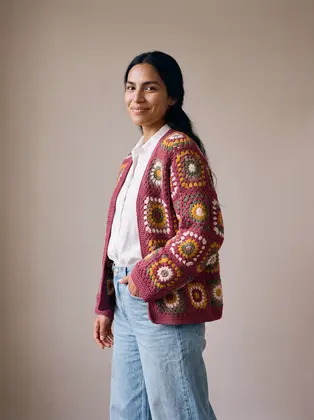
The thermostat is set for the people who never leave their desks; outside, the walk from the car is brisk, the sun is bright, and the evening may turn cool before dinner. Dressing for both ends of that range is less about piling on sweaters than choosing a light layer that is easy to take off, carry, and put back on. Start with a comfortable base, then make the outer piece do a specific job: add a little warmth in a draft, soften a change in temperature, or provide coverage once the day cools.
Start with the room you will spend time in
Indoor comfort varies more than a forecast suggests. A sunny window seat, a heavily air-conditioned shop, and a meeting room with a vent overhead can feel like three separate climates. Think about your longest indoor stretch first. If you will mostly sit still, a sleeve and a little coverage across the shoulders may matter more than a heavy garment. If you move between errands, transit, and a desk, prioritize something that can come off without disrupting the rest of the outfit.
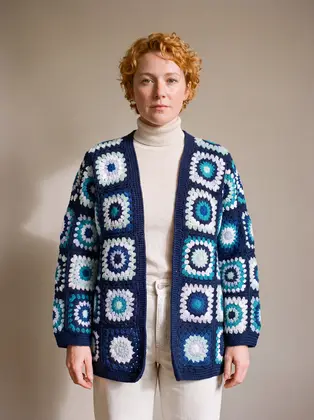
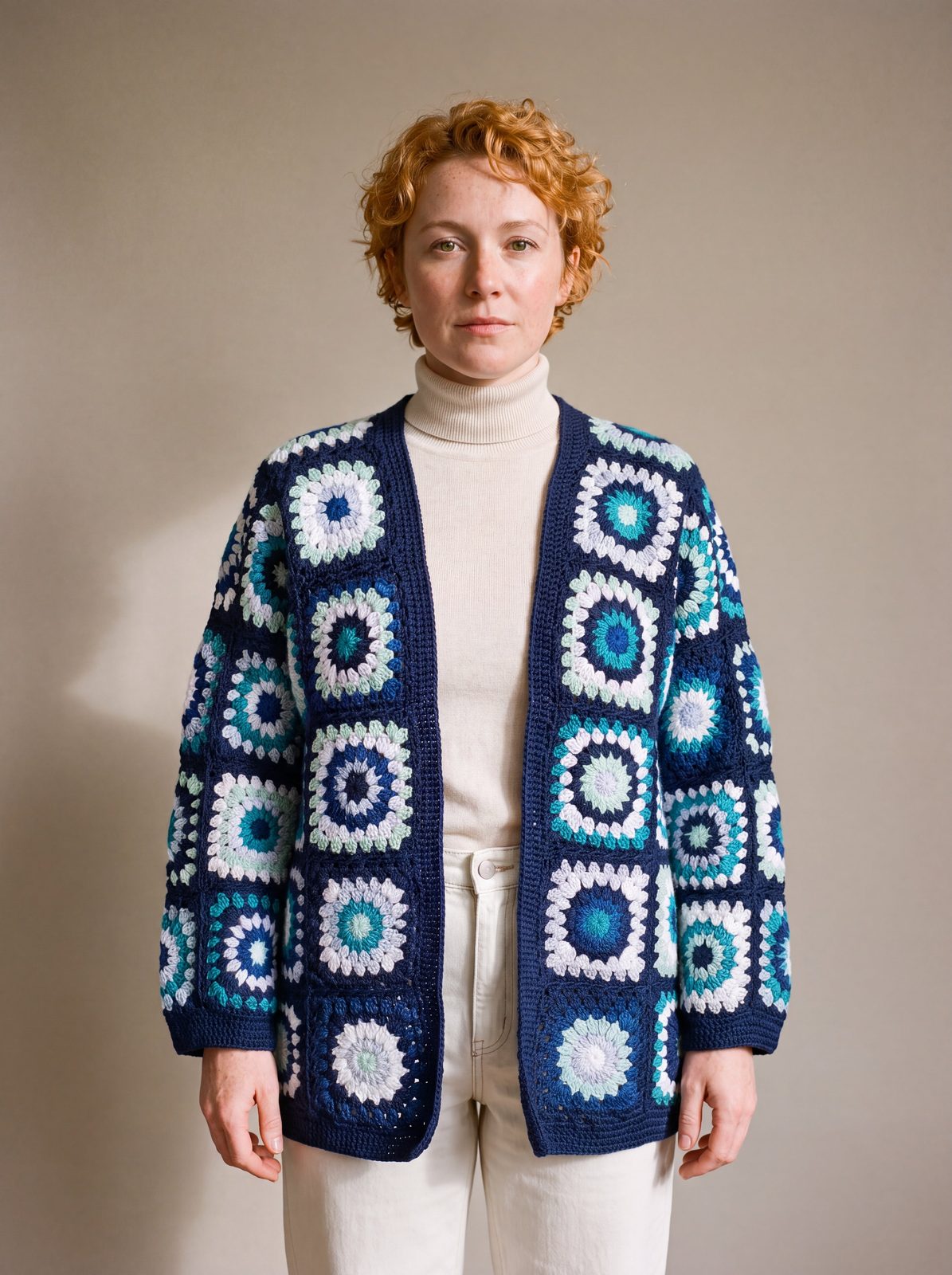
A cardigan worn open gives a useful middle ground: it does not require you to commit to a fully buttoned, warm silhouette, and it can be slipped off when the room gets comfortable. A lightweight knit can also add visual structure over a plain tee or simple dress. For a strong color accent that still works with familiar basics, the Long Cardigan – Navy & Turquoise layers naturally over a striped top, denim, or a solid dress. Its long open shape offers more coverage than a cropped layer, so consider whether that extra length suits your proportions and the way you move through your day.
Build a base that stays comfortable
Layering works best when the first layer is not already too warm. Choose a top that feels good on its own in the room where you expect to spend the most time. A tee, fine-knit top, or breathable blouse can all work; the right choice depends on the weather, the occasion, and what feels comfortable against your skin. Avoid solving every temperature problem with a thick base layer. If the indoor space is warm, that can leave you uncomfortable even after removing your cardigan.
Pay attention to the neckline and sleeve shape. A close-fitting base under a more textured or roomy cardigan reduces bulk at the shoulders and arms. A sleeveless or short-sleeved top can make a cardigan easier to remove and carry when the day warms up. When the temperature drops again, the layer restores coverage without requiring a full outfit change. Browse the tops collection for base pieces, and use the cardigan collection to compare lengths and shapes. These are practical categories, not rules: the best pairing is the one that lets you sit, reach, and walk comfortably.
Choose the layer by weight and shape
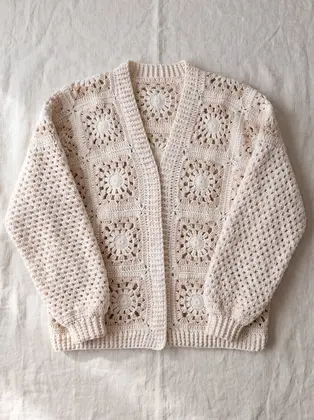
For a mild transition, an openwork style may be enough. The Openwork Cardigan has a cream, textured look and open squares, making it an interesting option over a darker camisole or simple tee. Because the layer is visually detailed, keep the rest of the outfit relatively calm if you want an easy everyday combination. Open stitches also mean the layer is not equivalent to a dense windproof jacket; when wind or cold is the main concern, bring an additional outer layer rather than expecting crochet to block it.
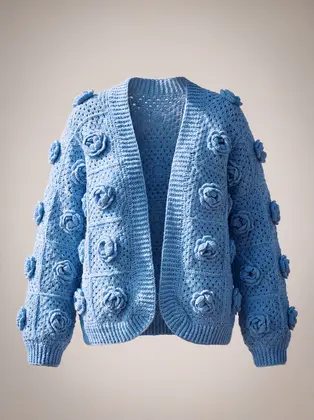
For a more polished, tonal outfit, the Rose Cardigan – Cornflower Blue offers texture within one color family. Wear it open over a light base to keep the outfit relaxed, or let it sit over a skirt and simple top for a little more finish. The garment descriptions offer useful styling cues, but they do not replace the product’s actual fiber, fit, or care details. Check the listing and garment label before making decisions about warmth, sizing, or laundering.
Shape matters as much as perceived weight. A long cardigan can cover the hips and change the proportions of a look; a shorter layer may sit more neatly with high-rise trousers or a fuller skirt. Sleeve length is another everyday consideration: cuffs that can be pushed back make kitchen tasks, typing, and carrying a bag easier. Try the full outfit together, including the bag or coat you may carry, so the layer does not become an inconvenience after you leave home.
Make the temperature change easy to manage
The best transitional layer is one you can remove without fuss. Open-front cardigans are particularly straightforward: take them off, fold them loosely over an arm, and put them back on when the air conditioning or evening breeze calls for it. If you commute, consider whether the garment will fit in your tote without taking up the space you need for other essentials. Avoid tying a textured knit tightly around the waist, where it can stretch or snag; carrying it loosely is kinder to the garment.
Plan for the outdoor portion separately from the indoor one. A cardigan can take the edge off a cool morning or provide a comfortable extra layer on a shaded patio, but a light knit is not a substitute for a weather-appropriate coat in strong wind, rain, or genuinely cold conditions. If the day includes a long outdoor wait, pack a more protective layer. In warm sun, carry the cardigan rather than wearing it continuously; adding and removing a layer is often more comfortable than choosing an outfit that is too warm for the majority of the day.
Use color and texture with intention
Because a layer may be on or off several times, it should work with more than one part of your outfit. A neutral or tonal knit can tie together a printed skirt and a plain top. A colorful cardigan can instead become the focal point, especially when the base is simple. Navy and turquoise read differently from cream-on-cream texture, but both can be easy to style when the rest of the outfit has a clear point of view. Repeat one color from a patterned garment in your shoes, bag, or top if you want the pieces to feel connected.
Texture contributes visual interest without requiring another print. Crochet or openwork can look especially effective against a smooth tee, while a patterned cardigan may feel more balanced with denim or a solid skirt. Keep the practical setting in mind, too: an elaborate sleeve may catch on a desk edge or bag strap more readily than a simple shape. There is no need to dress every temperature shift as a styling challenge. One dependable base and one layer that complements it can carry a surprising number of ordinary days.
Care for the layer you reach for often
Frequent use makes small habits worthwhile. Check the care information attached to the specific item before washing; fiber content, construction, and finishing can vary. If a label or listing leaves a question unanswered, confirm the instructions with the RETROLIFE BOUTIQUE team rather than assuming that a particular wash cycle, temperature, or drying method is safe. Do not treat general advice for knitwear as a guarantee for a specific garment.
Between wears, let a layer air briefly if it needs freshening, and store it where it will not be crushed under heavy items. Keep textured or open-knit pieces away from sharp jewelry, rough bag hardware, and surfaces that might catch a loop. For fit questions or garment-specific care guidance, see Size & Care and contact the team through Contact. A little attention to fit, comfort, and handling makes a light layer genuinely useful: not just an extra garment, but the piece that lets one outfit work across a day of changing indoor and outdoor temperatures.