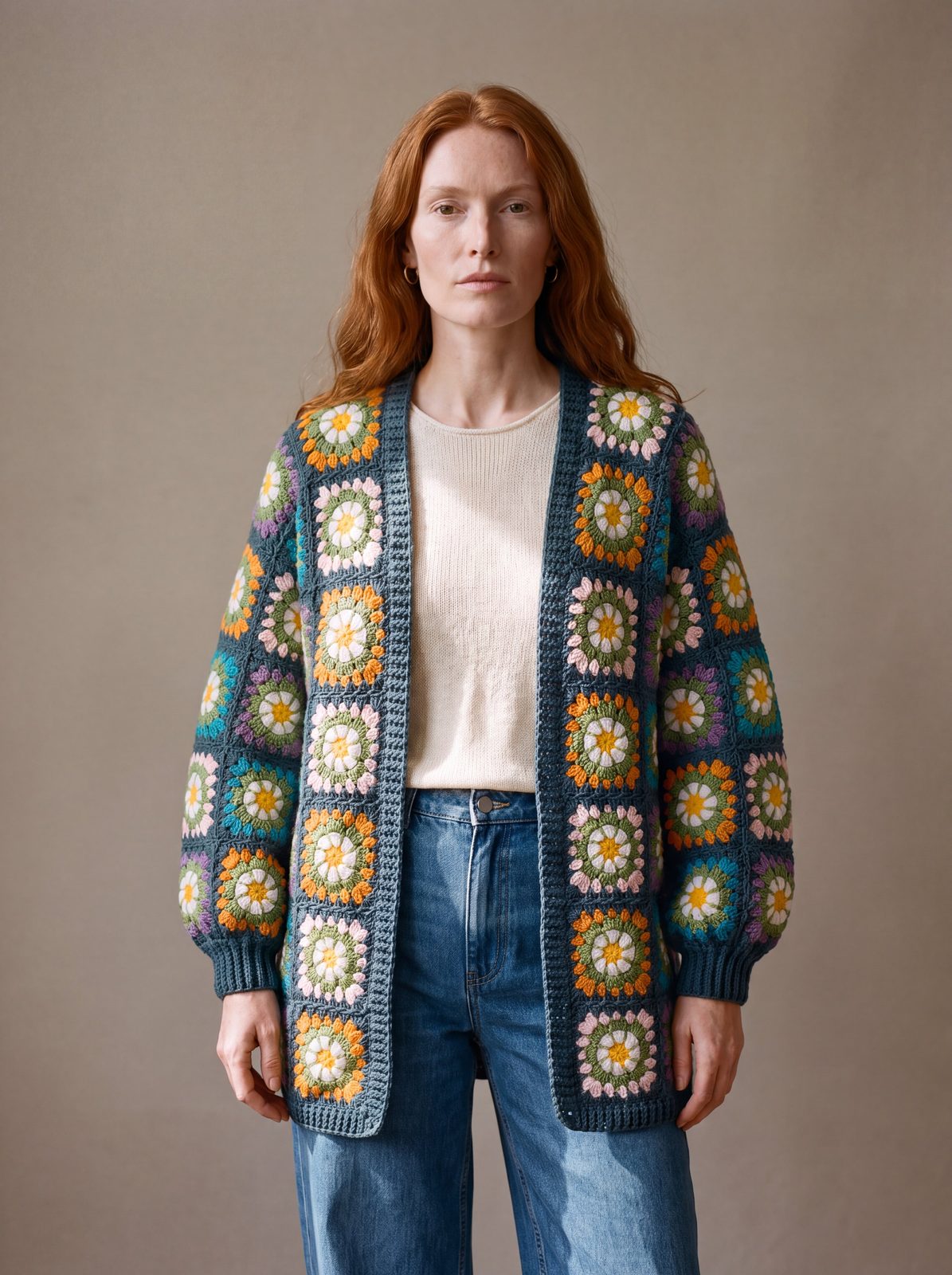
An outfit earns a repeat when it works in real life: you feel comfortable, the proportions make sense, and you can get dressed without a long negotiation with your closet. The trick is not to disguise the same look with a new accessory every time. Instead, keep one reliable piece and change the way the rest of the outfit relates to it. A different silhouette, layer, color balance, or setting can make a familiar combination feel intentional rather than automatic.
Start by noticing what made the original outfit good. Maybe it was the contrast between a relaxed cardigan and straight-leg jeans, or the way a simple top gave a patterned layer room to stand out. Preserve that useful quality, then adjust one or two other decisions. This gives you the ease of a formula without the feeling of wearing a uniform.
Keep the anchor; change the proportions
Choose one garment to repeat and shift the shape around it. A long cardigan over slim pants reads differently from the same layer over a flowing skirt or wide-leg denim. A shorter top with a high-rise bottom changes the visual center of the outfit; an untucked shirt and a longer open layer create a more relaxed line. The garment can stay exactly the same while the outline changes.
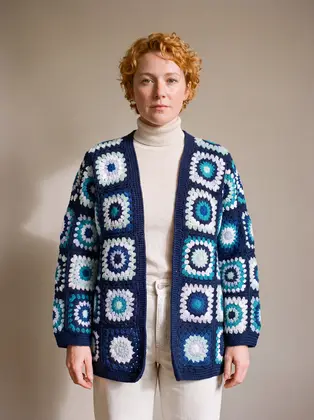
For example, wear a long, open layer with a close-fitting tee and straight jeans one day. The next time, put it over a simple dress, or pair it with a softer, wider trouser and a more fitted base. A colorful piece such as the Long Cardigan – Navy & Turquoise already carries plenty of visual information, so keep the base quiet when you want an easy look. For a different proportion, let more of the dress or trouser shape show beneath it instead of defaulting to the same denim silhouette.
Think about where hems meet. If two long layers finish at nearly the same point, they can make the outfit feel blocky. Try a shorter jacket over a longer top, or let a dress extend below a cardigan. These small changes are often more effective than adding another statement item. Check the outfit from the side as well as the front; length and volume are easier to judge when you see the whole outline.
Build a new color balance around a repeat
When the anchor piece has several colors, choose a different one to lead. A multicolored cardigan might feel bright with a light neutral underneath, more grounded with dark denim, or softer when paired with a muted tone drawn from its pattern. You do not need to match every color exactly. One thoughtful connection is enough: shoes that echo a small accent, a bag that repeats the darker ground, or a top that gives the overall palette a calm center.
Try changing contrast rather than changing every color. Pairing a vivid layer with pale bottoms puts the focus higher; dark bottoms make the same piece feel more anchored. A cream base can make saturated colors appear clearer, while charcoal or navy can lower the volume of the whole combination. The aim is not to create a perfectly coordinated set. It is to decide which part of the outfit should catch the eye first.
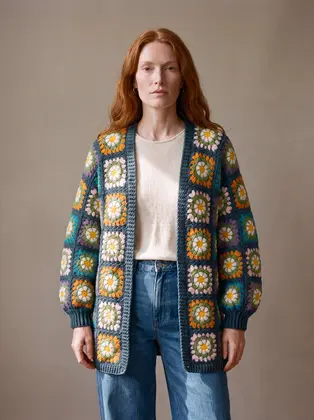
A floral or textured layer can be restyled through its surroundings, too. The Daisy Balloon Sleeve Long Cardigan – Teal could sit over a simple cream top and jeans for an easy daytime combination. For another mood, pair it with a dark skirt and understated shoes, or let a pale dress create a lighter overall effect. Keep the rest of the outfit restrained when you want the pattern to lead; choose a second texture only when the shapes and colors remain distinct.
Use layers to change the occasion
Layering is useful because it changes both the function and the impression of a repeated outfit. A tee and jeans can feel casual beneath a soft open cardigan, sharper under a structured jacket, or more finished with a button-front shirt worn open as a light layer. For a piece with visual texture, a smooth base layer helps keep the outfit from feeling crowded. In cooler weather, a coat over the same combination changes the outer silhouette; indoors, removing it reveals the original styling in a new context.
Switch the order and the amount of layering rather than piling on pieces. A collar peeking above a crew neck creates a small point of detail. A cardigan worn open leaves a vertical line through the outfit; wearing it closed, if its design allows, gives the top half a more defined shape. Push sleeves up or let them fall naturally depending on what feels comfortable and balanced. These are practical choices, not rules: the best version is the one that sits well on your body and suits the day.
For outfit building, browse the cardigan collection alongside the top collection and look for pieces with different lengths, necklines, and visual weight. A versatile top need not be plain, but it should work with more than one layer you already own. Before adding anything, try the combination with your existing coat, shoes, and bag. That quick check prevents a new piece from becoming a one-outfit purchase.
Change the finishing details with intention
Accessories can refresh a familiar outfit, but they work best as a considered final choice rather than a rescue plan. Change the shoe shape to shift the mood: a streamlined flat, a sturdy boot, or a low-profile sneaker will each alter the balance. A belt can define the waist when a layer is open, while a crossbody bag keeps the outfit practical and hands-free. Jewelry can add polish or texture, but you rarely need every accessory category at once.
Use scale to keep the result coherent. A bold patterned layer pairs naturally with simpler jewelry and a bag with clean lines. A quiet outfit can support a more noticeable earring, scarf, or belt. If the outfit feels busy, remove one detail and look again. If it feels unfinished, add a single element that answers a specific need, such as warmth, structure, or a point of color.
Small finishing changes also make repeats appropriate to different plans. The same jeans and top can move from errands to dinner with a cleaner shoe and a more deliberate bag. A cardigan that felt relaxed with sneakers may look more composed over a dress with simple flats. Keep comfort and the actual setting in mind; styling is not a reason to wear shoes or layers that make the day harder.
Make a repeat formula, not a uniform
A useful outfit formula has a few dependable ingredients but leaves room for variation. You might start with a favorite base, add one layer with character, then choose shoes according to the day. Write down or photograph combinations you genuinely like. Over time, the record can show that a single cardigan works with a dress, a skirt, and two different trouser shapes—not just the first outfit you happened to wear with it.
When an outfit starts to feel stale, ask what is repeating: the silhouette, the color contrast, the same shoe, or the same way of wearing the layer? Change that one element first. If the cardigan is always worn open over a white tee, try a different neckline or a dress underneath. If the shape is always slim on top and slim below, introduce a wider bottom or a longer hem. A deliberate adjustment gives you more information than replacing several pieces at once.
Leave room for the garment itself to remain familiar. A favorite piece does not need to look new every time to deserve a place in your wardrobe. Repetition can be part of personal style: a recognizable color, a trusted proportion, or a layer that makes getting dressed easier. For more dependable outfit building, explore all collections, and check size and care guidance when you need garment-specific information. Follow the item's actual label and any confirmed team guidance for care; never assume a textured or delicate piece can be washed a particular way.
The goal is not endless novelty. It is a closet where the clothes you love can move between ordinary days and different plans with a little thought. Keep the pieces that work, change the relationship between them, and let each repeat feel like a choice.